Scientists uncover a 100-kilometre ‘hidden world’ beneath Antarctica that could change climate predictions
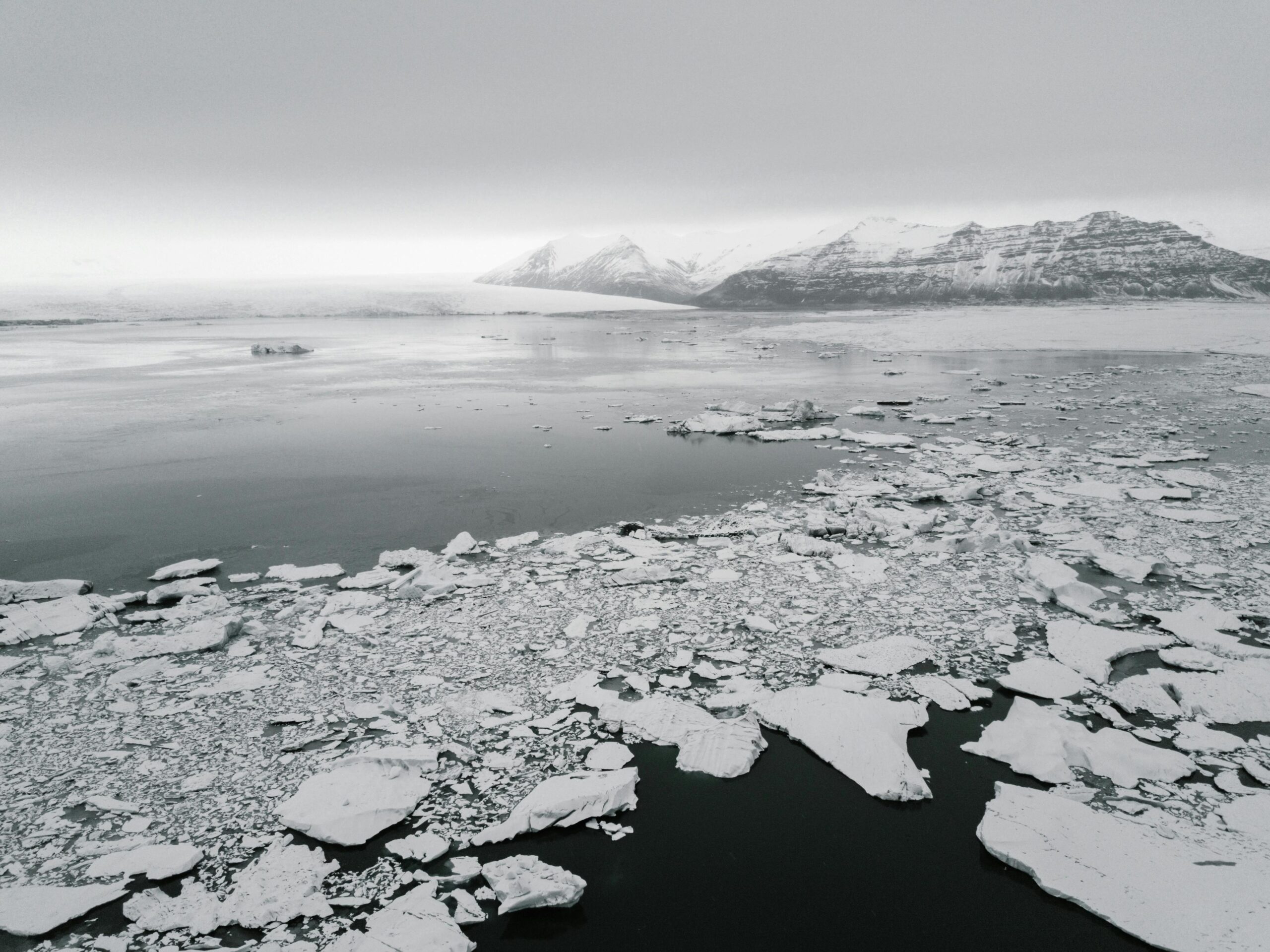
In late March 2026, scientists from the British Antarctic Survey (BAS) announced the discovery of a 100-kilometre-wide “hidden giant” buried beneath the Pine Island Glacier in West Antarctica. This discovery, published in Nature Communications Earth and Environment, is being hailed as a critical missing piece in our understanding of how the world’s most vulnerable ice sheets will respond to a warming planet.
While the “hidden world” refers to a massive geological feature rather than a biological one, its impact on climate science is profound.
1. The Discovery: A 100km “Hidden Giant”
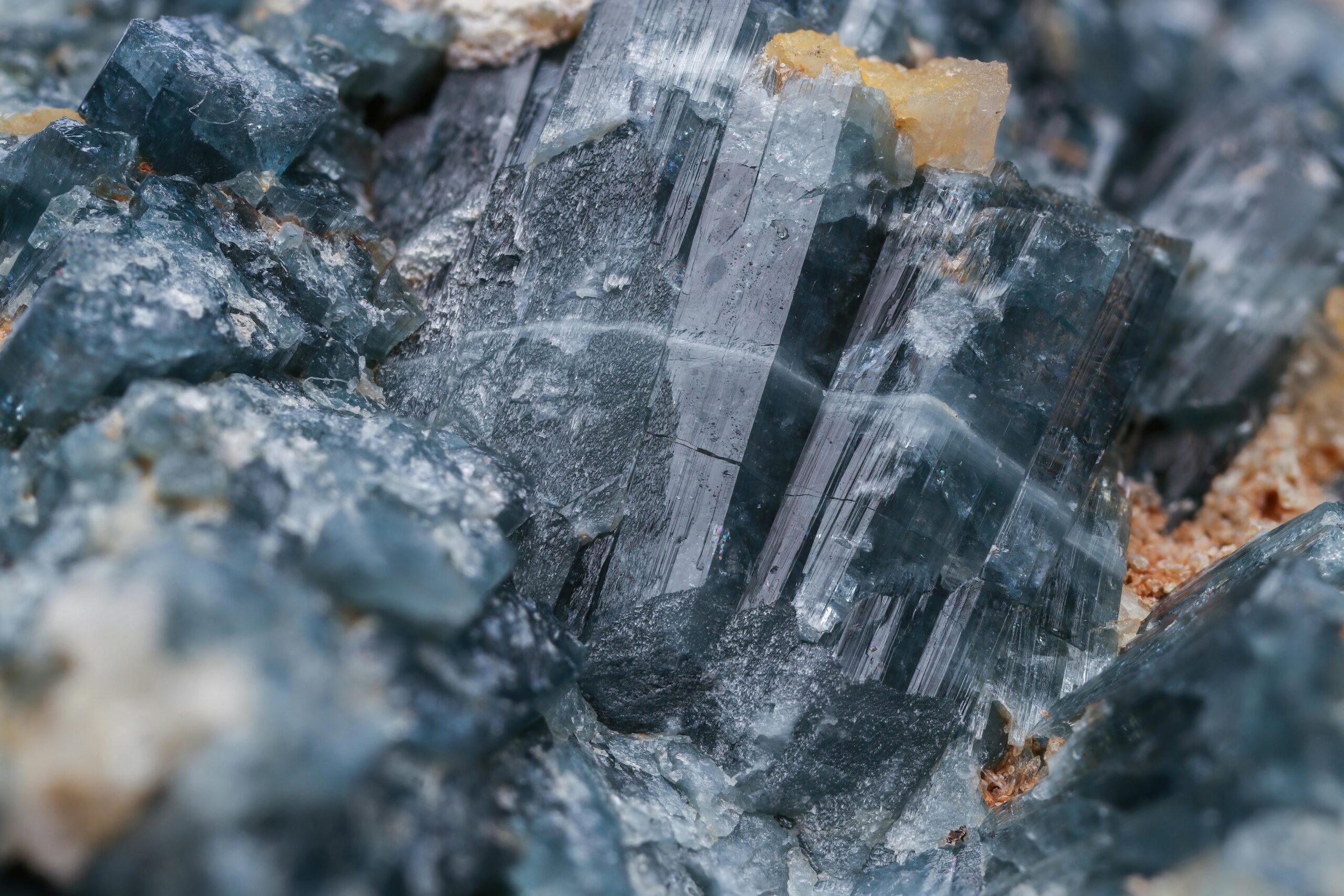
For decades, researchers were puzzled by pink granite boulders (known as “erratics”) sitting atop dark volcanic peaks in Antarctica’s Hudson Mountains. In March 2026, a team led by geophysicist Dr. Tom Jordan used airborne gravity and magnetic surveys to look beneath the ice.
- The Feature: An enormous granite body, or “pluton,” measuring roughly 100 kilometres across and 7 kilometres thick.
- The Scale: To put it in perspective, this buried mass is approximately half the size of Wales or the state of New Jersey.
- The Origin: Radioactive dating (U-Pb zircon geochronology) confirmed the granite formed roughly 175 million years ago during the Jurassic Period, when the supercontinent Gondwana was breaking apart.
2. Why it Changes Climate Predictions
This discovery is not just a geological curiosity; it is a structural “anchor” that dictates the fate of the West Antarctic Ice Sheet (WAIS).
- The “Sticky Point” Effect: Pine Island Glacier is one of the fastest-melting glaciers in the world and a major contributor to sea-level rise. Because granite is exceptionally dense and rigid, this 100km mass acts as a high-friction “sticky point” that grips the ice from below.
- Slowing the Retreat: Previously, climate models assumed the bedrock beneath the glacier was more uniform or sedimentary. Knowing there is a massive, rigid granite base means the glacier may be more stable in certain areas than previously feared, potentially slowing its slide into the ocean.
- Refining Sea-Level Models: This “hidden giant” provides the structural skeleton for the ice sheet. Incorporating its exact shape and friction levels into computer models will allow scientists to predict global sea-level rise for the year 2100 with far greater accuracy.
3. Related “Hidden Worlds” (Subglacial Rivers)
The 100km granite discovery follows another major breakthrough from late 2025/early 2026 involving subglacial watercourses.
- The 460km River: Researchers recently mapped a “hidden” river system stretching over 460 kilometres beneath the ice.
- The Impact: This river system transports warm seawater far inland, melting the ice sheet from the bottom up. Finding that these rivers interact with the 100km granite “anchor” is helping scientists understand why some parts of Antarctica melt at record speeds while others remain stubbornly “stuck.”
Summary of the “Hidden Giant” (March 2026)
| Feature | Details |
| Location | Beneath Pine Island Glacier, West Antarctica |
| Dimensions | 100km wide, 7km thick |
| Material | Jurassic-aged Pink Granite |
| Discovery Method | Airborne Gravity & Magnetic Surveys |
| Climate Impact | Acts as a friction “anchor,” potentially slowing ice retreat. |
“It’s remarkable that pink granite boulders spotted on the surface have led us to a hidden giant beneath the ice. This discovery reshapes our climate models, as the granite’s rigid topography acts as a critical anchor for the ice sheet.” — Dr. Tom Jordan, British Antarctic Survey