Emergence of Antarctic mineral resources in a warming world
In April 2026, the potential for Antarctic mineral extraction has shifted from a theoretical discussion to a focal point of polar geopolitics. As record-shattering melt seasons expose new land, the “frozen treasure” beneath the ice is becoming physically—if not yet legally—accessible.
The emergence of these resources is driven by the Recession of the Cryosphere, Glacial Isostatic Adjustment, and the approaching 2048 Treaty Review.
1. The “Pennsylvania-Sized” Emergence
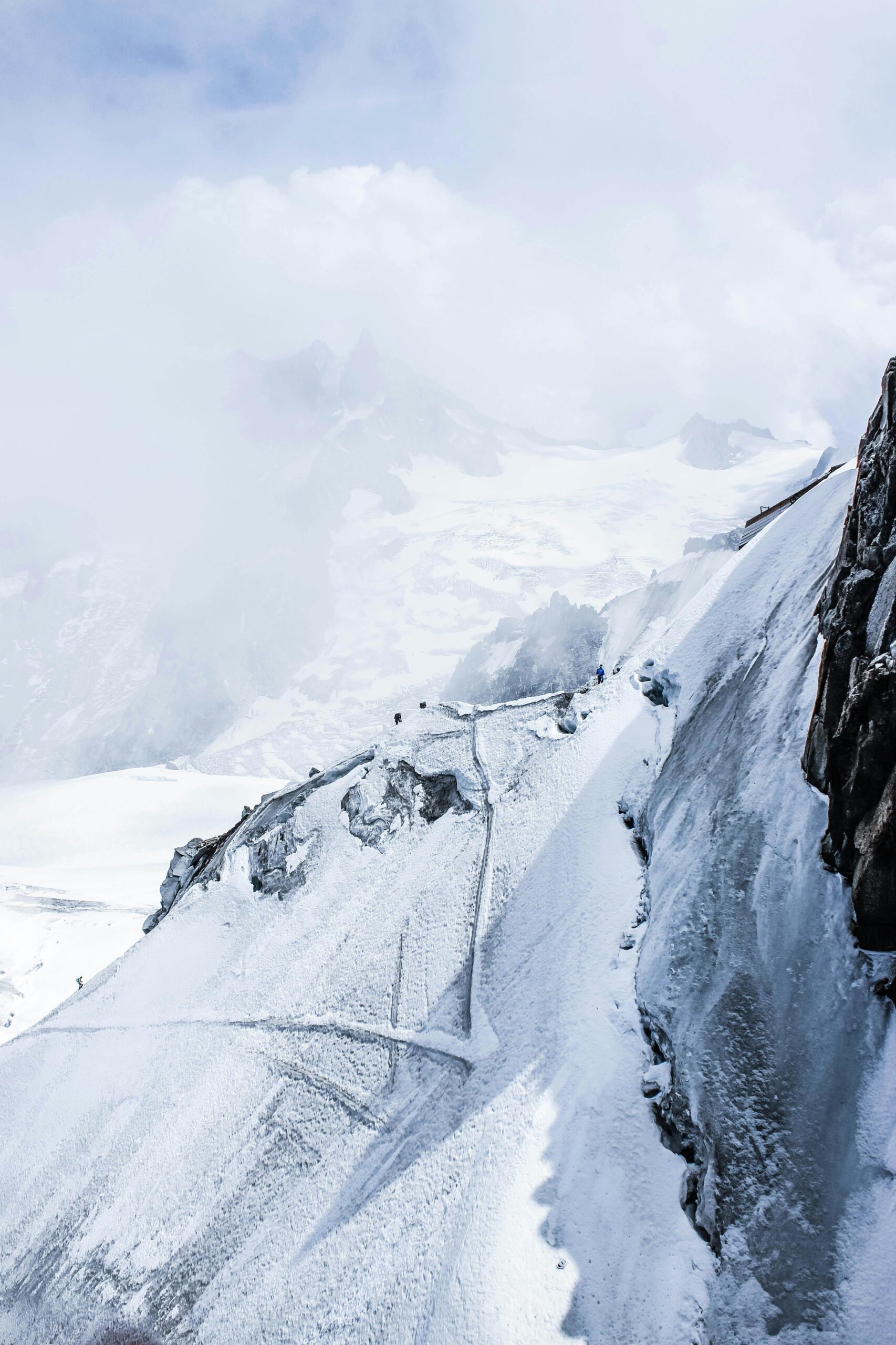
A landmark study published in Nature Climate Change in March 2026 revealed that Antarctica is physically growing as its ice retreats.
- Ice-Free Land Projections: Under high-melt scenarios, up to 120,610 square kilometers (roughly the size of Pennsylvania) of new land could emerge by 2300.
- Glacial Isostatic Adjustment (GIA): As the massive weight of the ice sheets vanishes, the continent’s bedrock is literally “springing back” or uplifting. In 2026, researchers successfully mapped how this uplift brings deeply buried mineral veins closer to the surface.
- The “Oasis” Effect: Areas like the Schirmacher Oasis and Nivlisen Ice Shelf are seeing expanded “blue ice” areas and rocky outcrops where seasonal meltwater is revealing geological formations previously hidden for millions of years.
2. The Antarctic Mineral Wealth (Known & Suspected)
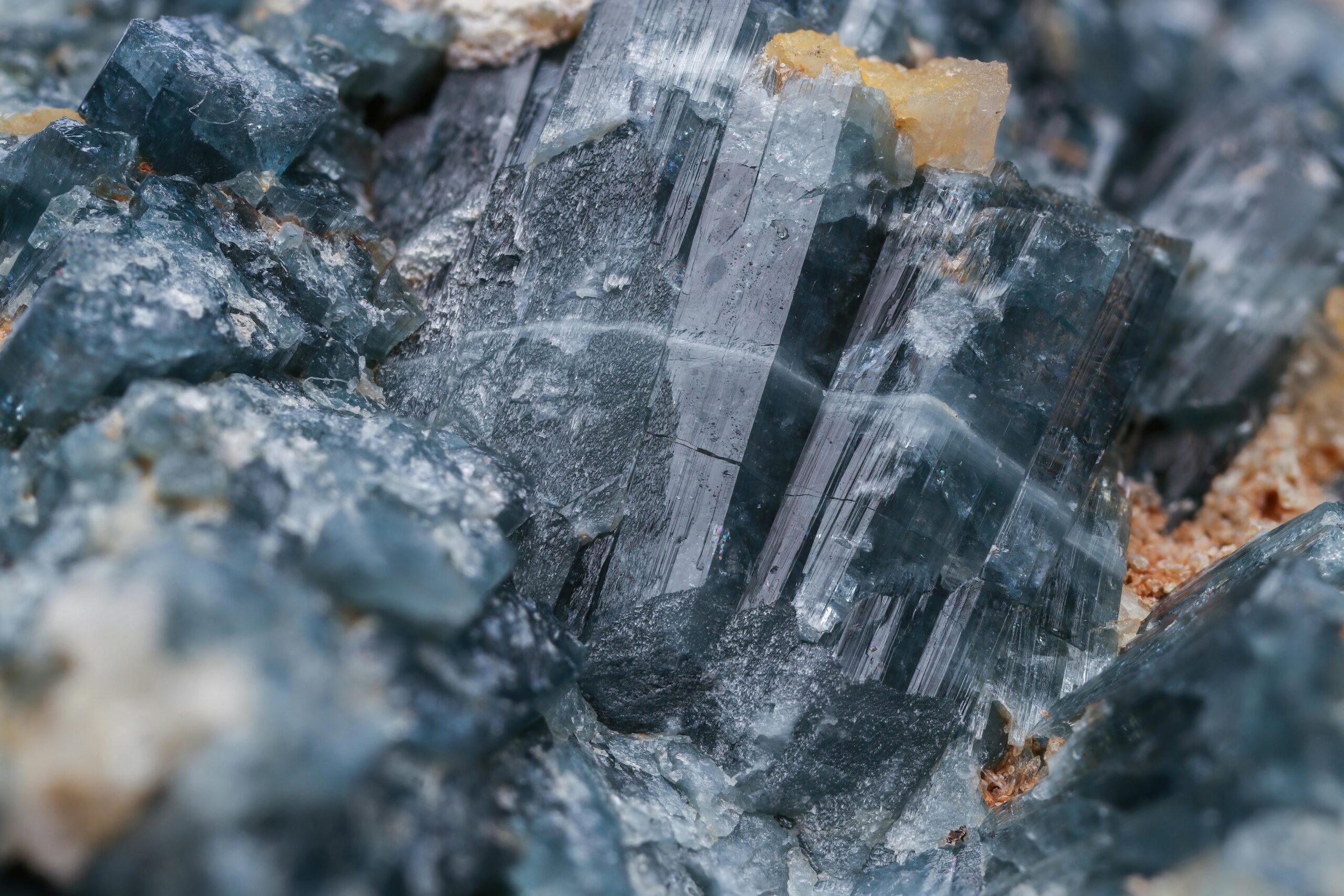
While full-scale commercial surveys are prohibited, scientific geological mapping has confirmed that Antarctica contains the same “Gondwana-era” mineral belts found in Australia, South Africa, and South America.
| Resource Type | Suspected Deposits | Geological Context |
| Critical Minerals | Copper, Gold, Silver, Iron | Found in the Antarctic Peninsula and Transantarctic Mountains. |
| Strategic Metals | Platinum, Chromium, Nickel | Linked to the massive Dufek Intrusion (one of the world’s largest layered igneous complexes). |
| Energy Resources | Coal & Hydrocarbons | Massive coal beds in the Prince Charles Mountains; suspected 500 billion barrels of oil in the Southern Ocean (reported by Russia in 2020). |
3. The 2048 “Legal Horizon”
In 2026, international tension is mounting over the Protocol on Environmental Protection to the Antarctic Treaty (the Madrid Protocol), which currently bans all mining.
- The 2048 Misconception: While the ban does not “expire” in 2048, it becomes open for review. Any consultative party can then request a review of the mining prohibition (Article 7).
- The Claim Overlap: Much of the newly emerging land is located in territories claimed by Argentina, Chile, and the United Kingdom. In early 2026, these nations have significantly increased their “scientific” presence in these zones to bolster future territorial and resource arguments.
- Non-Claimant Interests: Major powers like China, Russia, and the U.S. are expanding their footprint in Antarctica, with observers noting that 2026 “scientific” expeditions are increasingly focused on deep-crust geological mapping.
4. Natural and Ethical Barriers
Despite the melting ice, Antarctica remains the most hostile mining environment on Earth.
- Logistical Nightmare: Even in a warming 2026, sea ice (which hit one of its lowest maximums this year) still prevents heavy shipping for much of the year. The movement of massive icebergs poses a constant threat to offshore drilling platforms.
- Environmental Fragility: A single oil spill in the Southern Ocean’s frigid waters would be near-impossible to clean, as oil decomposes much slower in sub-zero temperatures.
- The “Common Heritage” Conflict: There is a growing movement in the UN (April 2026) to declare Antarctic minerals the “Common Heritage of Mankind,” similar to deep-sea minerals, to prevent a “scramble for Antarctica” among a few wealthy nations.
5. Summary: The 2026 Outlook
- Physical Reality: Melting is exposing mineral-rich “new land” at an accelerating pace.
- Geopolitical Reality: The 2048 review date is looming, prompting nations to “stake claims” through increased scientific activity.
- Legal Reality: Commercial mining remains strictly prohibited, and any move to lift the ban would require near-unanimous international consensus—a difficult feat in the current polarized geopolitical climate.
2026 Scientific Note: The “hidden giant” pink granite pluton discovered beneath the Pine Island Glacier (March 2026) is a prime example of the massive, untapped geological structures we are only just beginning to understand.

Related Posts
Evaluation of an Australian regional climate modeling system for air quality
Discrepancies in national inventories reveal a large emissions gap in the wastewater sector