Climate Change and Extreme Weather Events
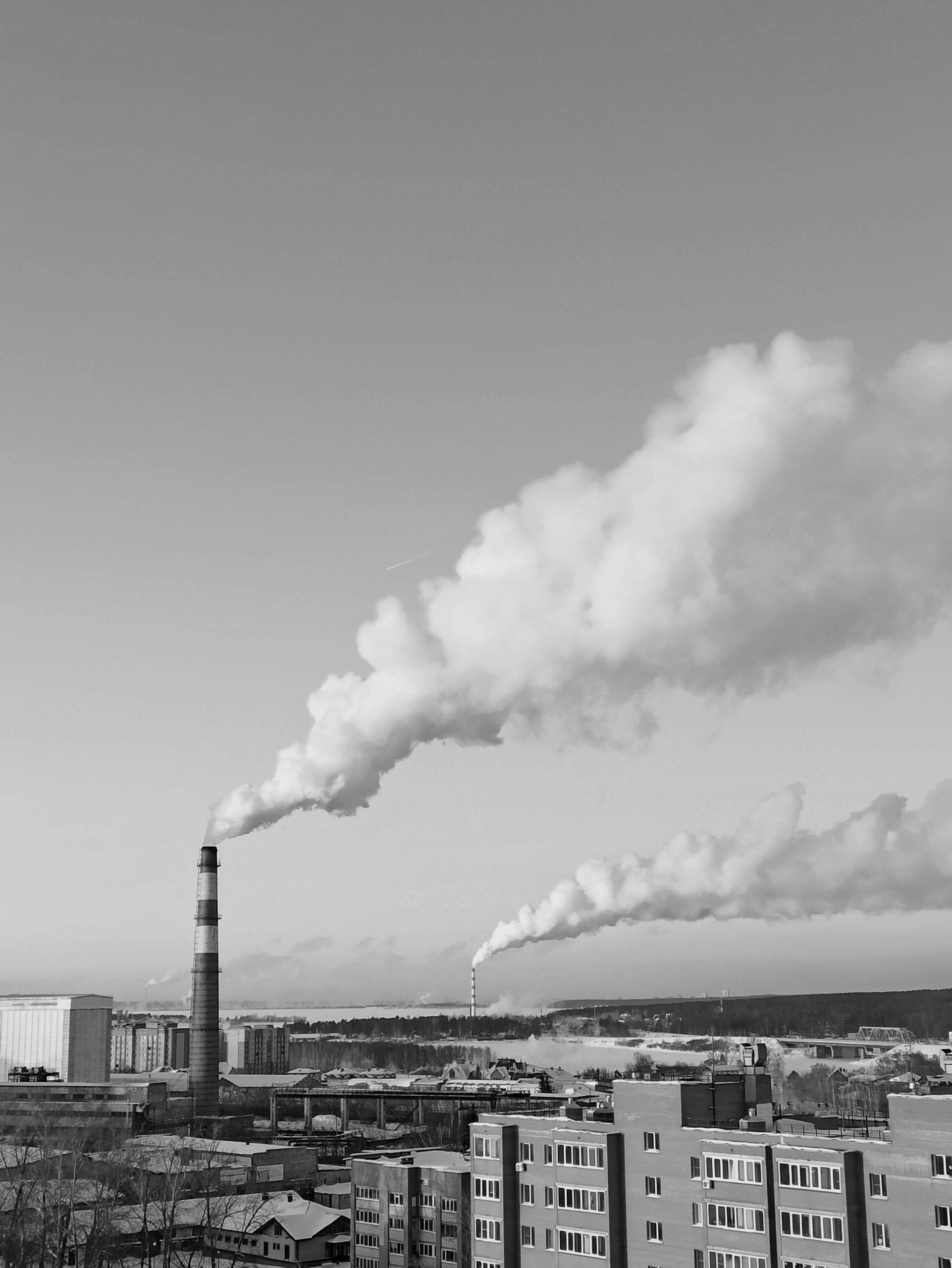
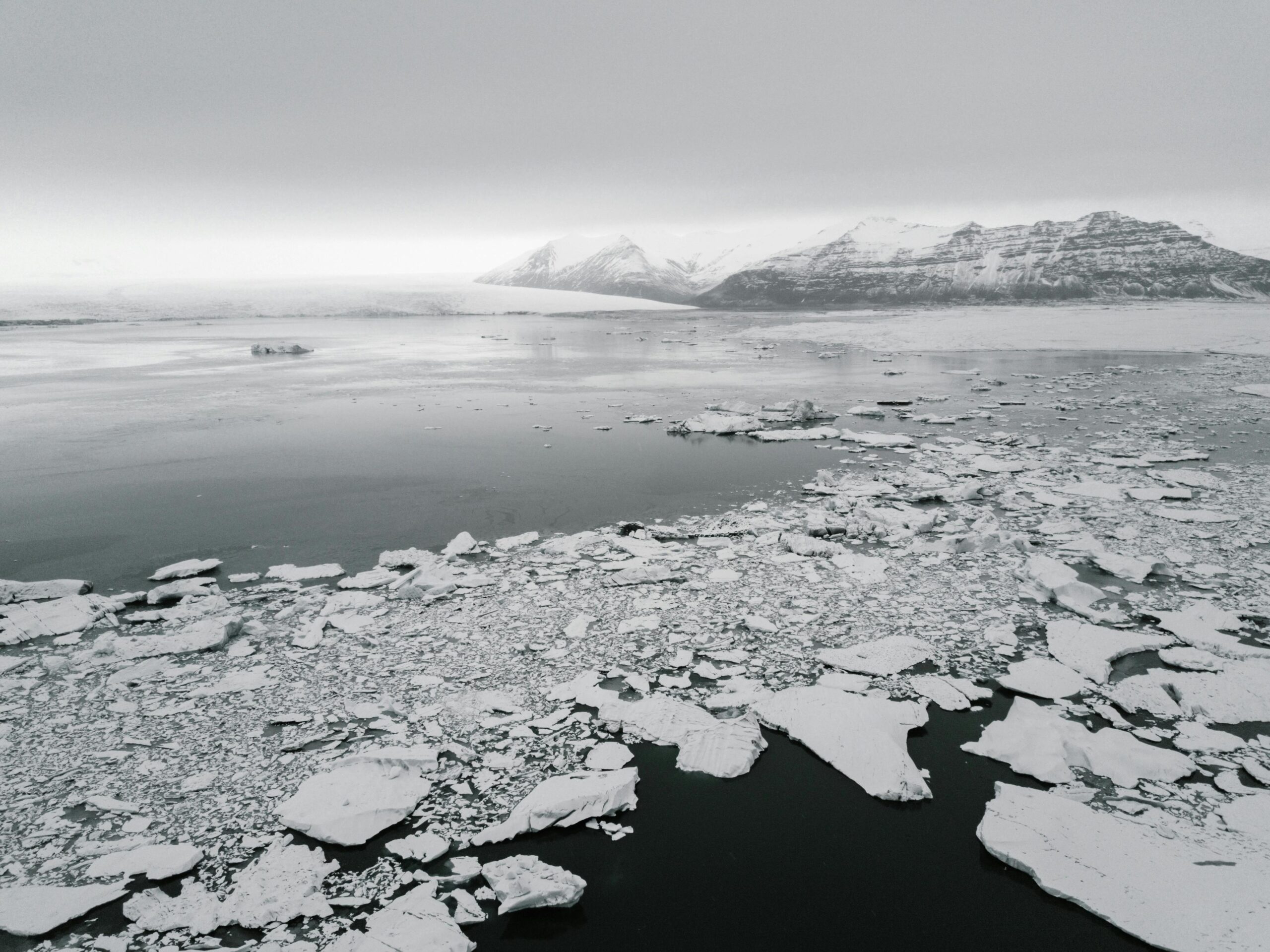
In April 2026, the scientific consensus has reached a somber milestone: the three-year average of global temperatures has officially exceeded the 1.5°C threshold for the first time. This shift has moved climate change from a gradual trend to a catalyst for “record-shattering” extreme weather events that are now being described as a “new normal.”
The relationship between climate change and extreme weather in 2026 is defined by Increased Energy, Stalling Systems, and Compound Disasters.
1. Heatwaves: The “Heat Dome” Phenomenon
In March 2026, Western North America experienced temperatures typical of mid-summer, an event scientists labeled as “virtually impossible” without human-caused warming.
- Heat Domes: Strong, slow-moving high-pressure systems are “trapping” heat over specific regions for weeks. These events are now 11–17°C (20–30°F) above historical averages.
- Nighttime Warming: Nights are warming faster than days, preventing the environment (and human bodies) from cooling down, which drastically increases the mortality rate during heat events.
2. Hydrological Extremes: “The Perfect Storm”
The atmosphere currently holds roughly 10% more moisture than it did in the pre-industrial era, leading to a “feast or famine” water cycle.
- Extreme Rainfall: In early 2026, parts of Southern Africa (Mozambique and Zimbabwe) and Brazil saw over a year’s worth of rain in just a few days. Attribution studies show that climate change has increased the intensity of these downpours by 40%.
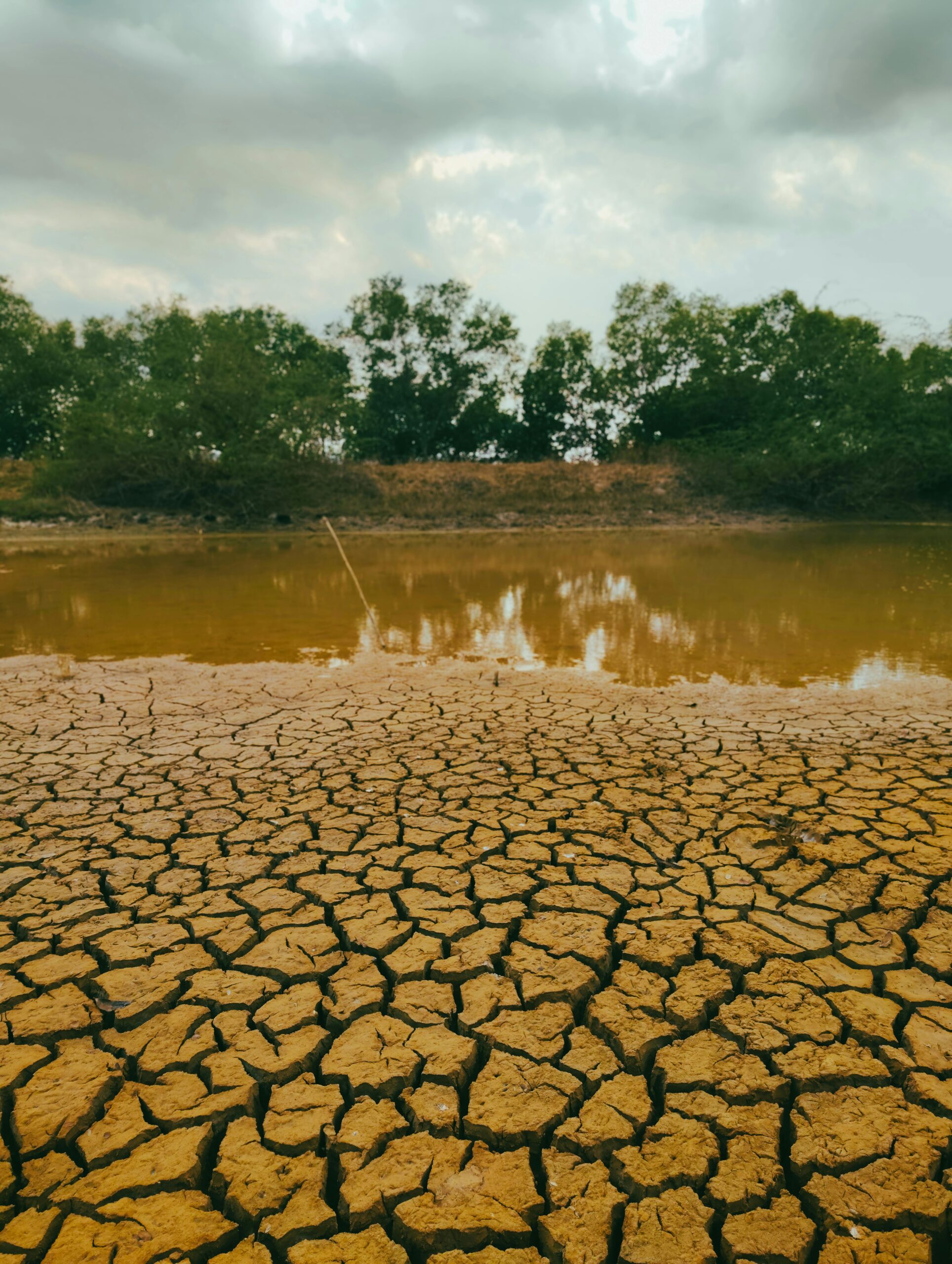
- Flash Droughts: Conversely, higher temperatures cause rapid evaporation, leading to “flash droughts” that can devastate crops in a matter of weeks, even in historically temperate zones.
3. Hurricanes & Cyclones: Rapid Intensification
In 2026, the primary concern for coastal regions is no longer just the number of storms, but their speed of intensification.
- Power Over Quantity: Warmer ocean surfaces act as “high-octane fuel,” allowing storms to jump from Category 1 to Category 4 in less than 24 hours (Rapid Intensification).
- Slower Forward Motion: Evidence suggests steering winds are weakening, causing hurricanes to “stall” over land. This leads to catastrophic flooding as seen in the western Mediterranean earlier this year.
4. Wildfires: The Expansion of the “Burn Season”
Wildfires are no longer confined to late summer. In early 2026, massive fires burned through the Andean foothills and Northern Patagonia.
- Fuel Aridity: Even in areas with normal rainfall, higher temperatures “suck” moisture out of dead wood and leaf litter, turning forests into kindling.
- Arctic Wildfires: We are seeing an increase in “Zombie Fires” in the Arctic—smoldering peat fires that survive underground through winter and reignite in the spring.
2026 Extreme Weather Summary Table
| Event Type | Observed 2026 Trend | The Climate Link |
| Storm Surges | Higher inland penetration. | Compounded by rising sea levels (up ~4 inches since 1993). |
| Landslides | Increased frequency in South America/Asia. | Saturated soils from “rain bombs” on unstable terrain. |
| Winter Storms | Intense “Cold Snaps” in mid-latitudes. | A distorted Polar Vortex pushing Arctic air further south. |
| Atmospheric Rivers | Longer, wider, and wetter “rivers in the sky.” | Increased water vapor transport from the tropics. |
The “Tipping Point” Warning
As of April 2026, the World Weather Attribution group warns that we are entering a period where the capacity for human adaptation is reaching its limit. Beyond the 1.5°C mark, the risk of “cascading failures”—where a heatwave triggers a power failure, which then disables water pumping systems—becomes a systemic threat to global stability.
Current Action: The upcoming ministerial meeting in late April 2026 (hosted by the Netherlands and Colombia) is focused specifically on “Social Innovation for Adaptation,” recognizing that infrastructure alone can no longer keep up with the pace of weather extremes.