Arctic ice loss brings dual heatwaves to Europe and eastern Asia —
Arctic ice loss brings dual heatwaves to Europe and eastern Asia — The Guardian report on links between Arctic melt and extreme heat patterns.
In April 2026, scientific research highlighted in The Guardian and the Journal of Geophysical Research: Atmospheres has established a direct link between the accelerating loss of Arctic sea ice and the emergence of simultaneous, “dual” heatwaves across Europe and eastern Asia.
This phenomenon represents a significant shift in how the climate crisis is altering global atmospheric circulation, turning local polar melting into a multi-continental threat.
1. The Barents Sea Trigger
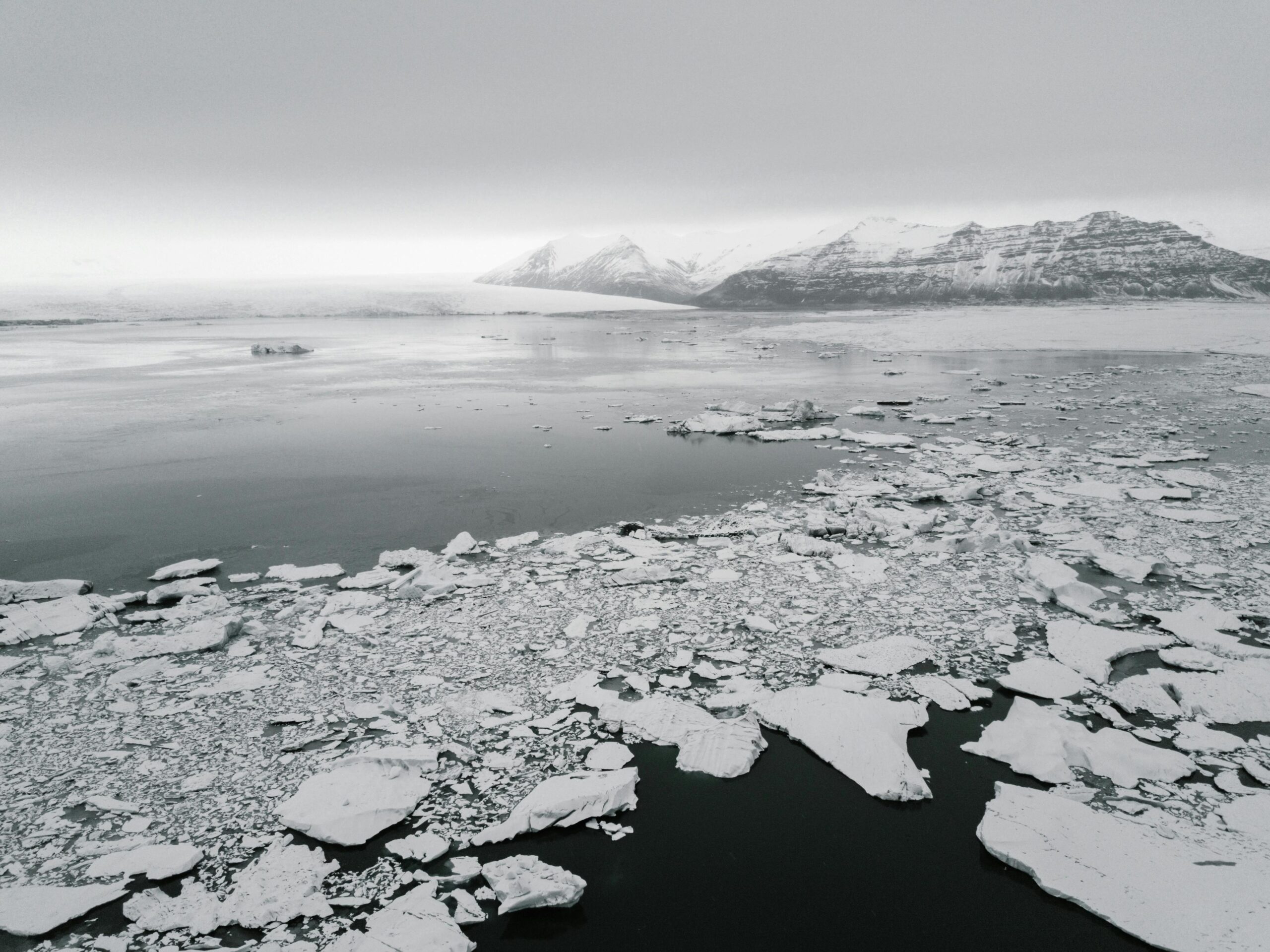
The primary driver behind these concurrent extreme events is ice loss in the Barents Sea, located off the northern coasts of Norway and Russia.
- Pre-2000 Patterns: Historically, ice loss was concentrated in the southern Barents Sea and had a more localized impact.
- The 2026 Shift: Researchers led by Jilan Jiang (Chinese Academy of Meteorological Sciences) found that since 2000, ice loss has become persistent in the northern Barents Sea. This northern retreat has triggered a specific chain reaction in the atmosphere that was previously uncommon.
2. The Atmospheric “Double-Play”
The loss of northern ice alters the thermal structure of the lower atmosphere, creating a “coupled” weather pattern that strikes two regions at once:
- Europe: The warming of the Barents-Kara seas weakens daily weather activities over western Eurasia. This allows high-pressure “blocking” systems to stall over the continent, leading to persistent, record-breaking heat.
- Eastern Asia: Simultaneously, the shift in Arctic pressure induces anticyclonic anomalies over the Ural Mountains and North Pacific. This “primes” the atmosphere over eastern Asia, leading to high-pressure ridges that trap heat in cities like Tokyo, Seoul, and Beijing.
3. The “Freshwater Anomaly” Pathway
Separate research published in Weather and Climate Dynamics (March 2024–2026) highlights a second pathway involving the North Atlantic:
- Meltwater Pulses: Increasing surges of cold, fresh water from Greenland and Arctic ice melt create a “freshwater anomaly” in the North Atlantic.
- Jet Stream Displacement: This cold pulse shifts the temperature gradient of the ocean, pushing the atmospheric jet stream further north. As the jet stream moves, it steers rainy storms away from Europe, leaving behind “heat domes” and severe droughts.
4. Risks and Implications
The simultaneous nature of these heatwaves—occurring in two of the world’s most productive agricultural and industrial zones—poses unprecedented systemic risks:
- Agricultural Contraction: Concurrent heatwaves increase the probability of widespread crop failures across both the European breadbaskets and Asian rice/grain belts.
- Public Health Emergencies: The “dual” pressure on healthcare systems and power grids (from increased cooling demand) tests the resilience of global infrastructure.
- Ecosystem Damage: Sustained heat in the Barents Sea region itself accelerates further melting, creating a feedback loop that ensures these dual patterns will become more frequent and more intense.
Key Takeaway for 2026: Understanding these “Barents Sea triggers” is now central to the development of early warning systems. Meteorologists are increasingly looking at spring ice levels in the northern Arctic to predict whether the upcoming summer will bring a double-front heat crisis across the Northern Hemisphere.